

Licensed Captains and Guides Play a Central Role in Swamp Tour Operations
Operating in swamp environments requires experience and training. ”
MARRERO, LA, UNITED STATES, March 27, 2026 /EINPresswire.com/ -- Licensed captains and trained guides are a foundational component of swamp tour operations, supporting safety, navigation, and educational engagement in environments that present unique natural and operational challenges. These professionals are responsible for managing vessels, interpreting environmental conditions, and providing structured experiences for passengers exploring coastal wetlands.— Milton Walker Jr.
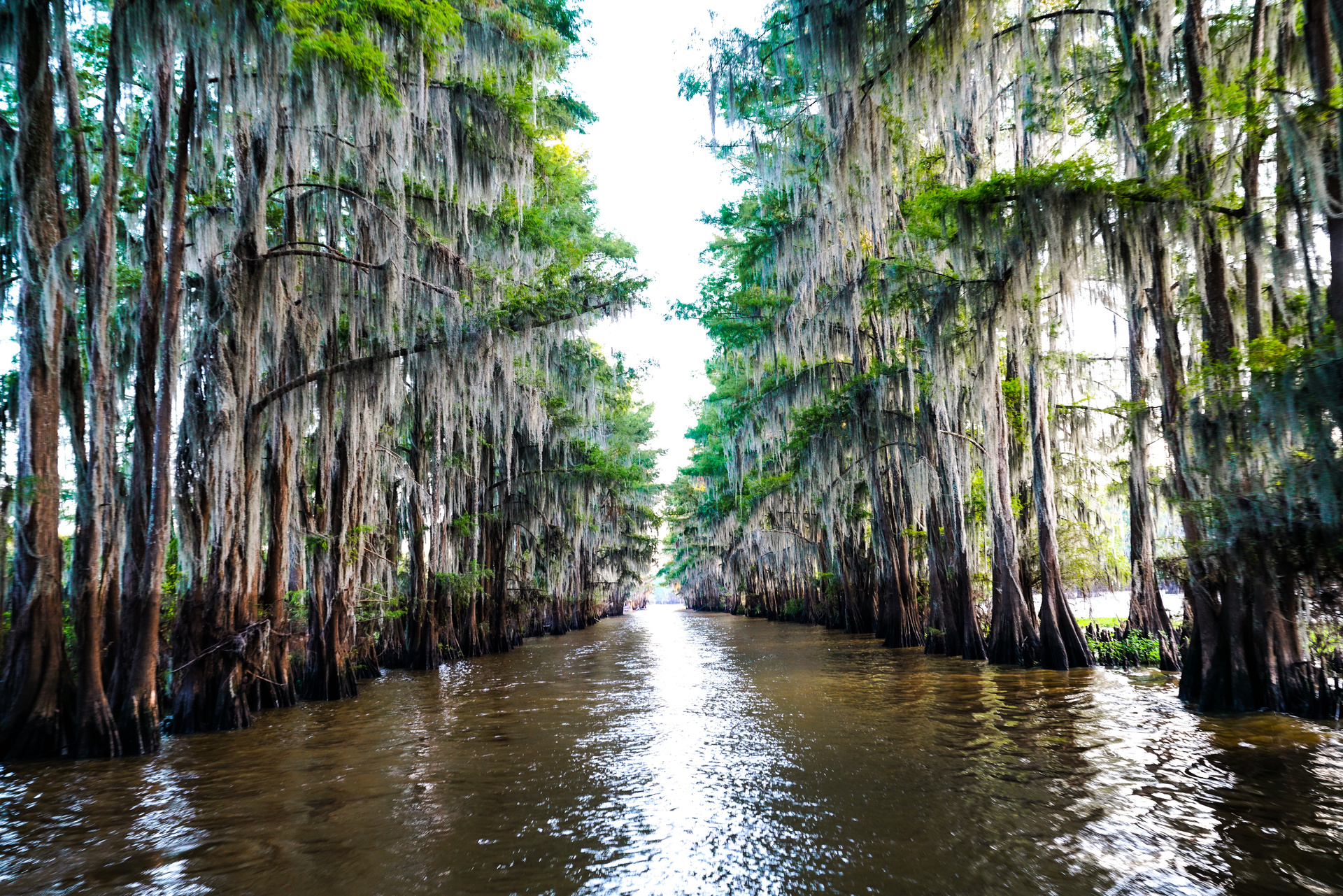
Swamp environments, including those found throughout Southeast Louisiana, are characterized by complex waterways, fluctuating water levels, and diverse ecosystems. Navigating these areas requires a working knowledge of local geography, as well as an understanding of how environmental conditions can change over time. Licensed captains are trained to operate vessels safely within these conditions, accounting for variables such as water depth, vegetation, and weather patterns.
Licensing requirements for captains typically involve certification through regulatory bodies such as the United States Coast Guard. These certifications confirm that individuals have demonstrated proficiency in vessel operation, safety procedures, and navigation. Training often includes emergency response protocols, passenger safety management, and knowledge of applicable maritime regulations.
Guides play a complementary role in swamp tour operations by providing context and information about the surrounding environment. Their responsibilities often include explaining local wildlife behavior, describing plant species, and discussing the ecological significance of wetlands. This educational component contributes to a more structured and informative experience for passengers.
Wildlife interaction is a key aspect of swamp tours, and guides are trained to approach this element with care and awareness. Understanding animal behavior, maintaining appropriate distances, and avoiding disruption to natural habitats are all part of responsible tour operations. Guides are expected to balance observation opportunities with environmental considerations.
Safety remains a primary focus throughout swamp tour operations. Captains and guides work together to ensure that passengers are informed about safety procedures, including the use of life jackets and emergency protocols. Pre-tour briefings often include instructions related to boarding, seating, and conduct during the tour.
Environmental conditions in swamp regions can shift quickly, making real-time decision-making an important part of a captain’s role. Changes in weather, water levels, or visibility may require adjustments to routes or schedules. Licensed captains are trained to assess these conditions and make decisions that prioritize passenger safety.
Vessel maintenance and inspection are also part of operational responsibilities. Boats used in swamp tours must be maintained to meet safety standards and ensure reliable performance. Regular inspections help identify potential issues before they affect operations, supporting consistent service delivery.
Milton Walker Jr., owner of Louisiana Tour Company in Marrero, Louisiana, emphasized that licensed captains and trained guides are essential to maintaining both safety and educational value in swamp tour experiences.
“Operating in swamp environments requires experience and training. Licensed captains and knowledgeable guides contribute to both the safety of passengers and the understanding of the environment being explored,” said Walker.
Regulatory compliance extends beyond captain licensing. Swamp tour operations are subject to safety inspections, environmental regulations, and operational guidelines that govern how tours are conducted. These requirements help ensure that services are delivered in a manner that aligns with established standards.
Tour planning also involves coordination related to group size, vessel capacity, and route selection. Managing these factors helps maintain safety while allowing passengers to experience key features of the environment. Smaller group sizes may allow for more detailed interaction, while larger vessels can accommodate higher passenger volumes within safety limits.
The educational role of guides contributes to broader awareness of wetland ecosystems. Swamps play a significant role in environmental balance, including flood control, water filtration, and habitat preservation. Providing information about these functions can help passengers understand the importance of conservation efforts.
Technology is occasionally incorporated into swamp tour operations to support navigation and communication. GPS systems, weather monitoring tools, and communication devices assist captains in managing routes and responding to changing conditions. These tools supplement, rather than replace, the experience and judgment of trained personnel.
The use of licensed captains and guides reflects an effort to align swamp tour operations with safety standards, environmental awareness, and structured visitor experiences. Their combined roles support the safe navigation of complex waterways while providing context and information about the surrounding ecosystem.
As interest in ecotourism continues, the role of trained professionals in guiding these experiences remains central. Licensed captains and knowledgeable guides help ensure that swamp tours are conducted responsibly, with attention to both passenger safety and environmental stewardship across the New Orleans region and surrounding wetlands.
Morgan Thomas
Rhino Digital, LLC
+1 504-875-5036
email us here
Visit us on social media:
Facebook
Legal Disclaimer:
EIN Presswire provides this news content "as is" without warranty of any kind. We do not accept any responsibility or liability for the accuracy, content, images, videos, licenses, completeness, legality, or reliability of the information contained in this article. If you have any complaints or copyright issues related to this article, kindly contact the author above.
